
Hydrogen peroxide
Hydrogen peroxide
Reference:
5300000000001
Hydrogen peroxide is a strong oxidant used in in situ chemical oxidation (ISCO) processes for the treatment of contaminated soil and groundwater. Hydrogen peroxide produces hydroxyl radicals (OH •) that rapidly acts to destroy oil pollutants through an exothermic reaction.
Do you have any doubts? Contact us and we'll help you.
Ask for informationHydrogen peroxide is a commonly used chemical reagent in environmental, industrial, and laboratory applications, primarily employed as an oxidizing agent, disinfectant, and cleaning reagent. Its versatility makes it an essential product for treatment, decontamination, and sample preparation processes.
In the environmental field, hydrogen peroxide is used in water treatments, soil remediation, contaminant oxidation, and cleaning of sampling equipment, helping to eliminate organic residues and reduce biological load. Its controlled action improves process efficiency without leaving persistent by-products, as it breaks down into water and oxygen.
It is a widely employed product by laboratories, field technicians, and industries, always under appropriate safety and handling protocols, ensuring effective and safe use.
Hydrogen peroxide is a widely used oxidant in ISCO projects at sites contaminated with hydrocarbons. When injected into groundwater, hydrogen peroxide is unstable and reacts with organic contaminants and subsurface materials. It decomposes into oxygen and water within hours of introduction into groundwater, generating heat in the process. The reagent is typically delivered to a remediation site in liquid form at concentrations ranging from 5% to 30%. The high reactivity of hydrogen peroxide can limit its distribution in the subsurface, acting locally with a reduced radius of action. Hydrogen peroxide is particularly effective when it reacts with ferrous iron (Fe2+), resulting in a Fenton reaction. Ferrous iron can be naturally present in subsurface soils and/or groundwater, or it can be added as a catalyst along with hydrogen peroxide to produce this aggressive chemical reaction. The Fenton reagent requires soluble Fe2+ to form OH•. This optimal reaction occurs under relatively low pH conditions (e.g., pH of 2 to 4). Adjusting the pH in the treatment area is often necessary to allow the oxidation process to proceed efficiently. This can be achieved by acidifying the hydrogen peroxide or adding a chelating acid.
- Water treatment and oxidation
- Environmental soil remediation
- Cleaning and decontamination of sampling equipment
- Sample preparation in laboratory
- Specialized industrial and technical processes
20 L drum (30%). Warnings and recommendations on prevention and safety Like any strong oxidant, liquid sodium permanganate must be handled with care. Protective equipment during handling should include face shields and / or goggles, rubber or plastic gloves, and rubber or plastic apron. If clothes look stained, wash immediately; spontaneous ignition can occur with cloth or paper. In cases of significant exposure, use the appropriate NIOSH-MSHA dust or mist respirator. For more details do not hesitate to consult our SDS. Storage Avoid contact with acids, peroxides, and all combustible or easily oxidizable organic materials, including inorganic oxidizable materials and metal powders. With hydrochloric acid, chlorine gas is released. Liquid sodium permanganate is not combustible but will support combustion. It can decompose if exposed to intense heat. Fires can be controlled and extinguished by using large amounts of water. For more details do not hesitate to consult our SDS.
The chemical reactions associated with the application of hydrogen peroxide in the subsoil are complex and take place both through the direct transfer of electrons and through the formation of radicals, giving rise to different chain reactions. Some examples: Direct oxidation Radical formation The theoretical degradation products with complete oxidation (H2O, O2 and CO2) are harmless and are naturally present in the soil. Under less than ideal conditions, chemical oxidation can generate intermediate degradation products or by-products that can be toxic.
- Potential to complete remediation processes in short timeframes.
- Ability to oxidize benzene and methyl tert-butyl ether (MTBE).
- Increases the level of dissolved oxygen in the water, allowing subsequent aerobic biodegradation. Similarly, the use of hydrogen peroxide can lead to uncontrolled exothermic reactions, can generate undesirable byproducts and requires special attention in the handling and storage of the oxidant.
-
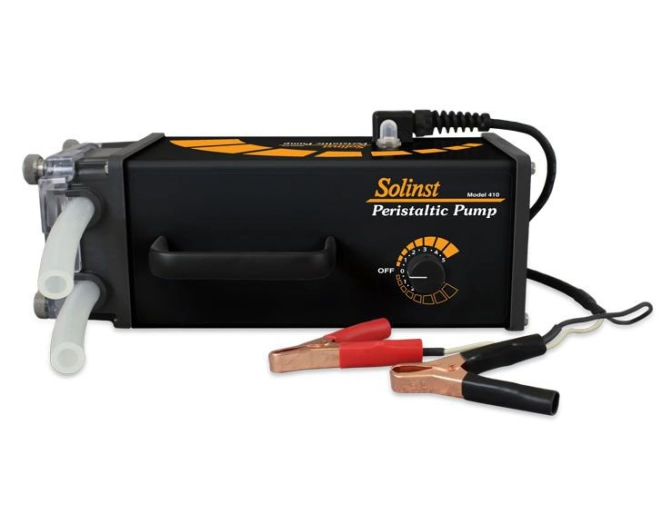
Ref. 2100000000059
Not available
Not available for this country
-
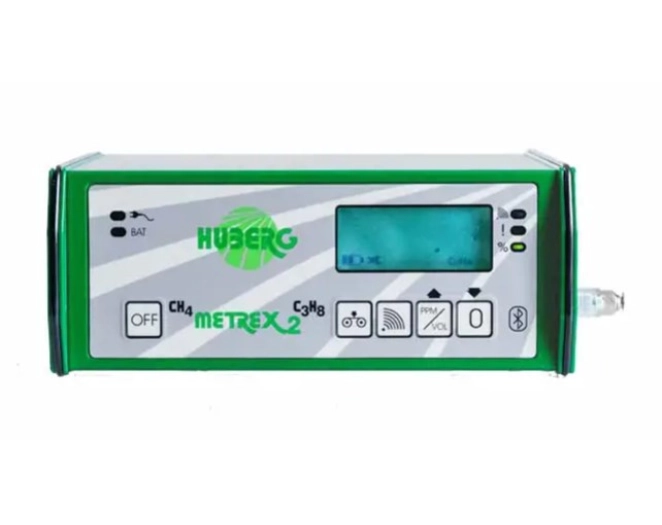
QED METREX 2 Portable CH4 Gas Leak Detector
Ref. 3100000000155
Not available
Not available for this country
-
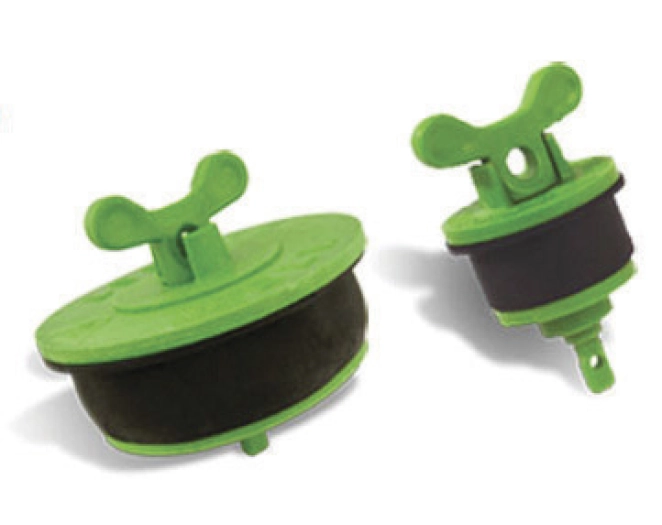
Expandable plug for gas sampling 4"
Ref. 3100000000071
-
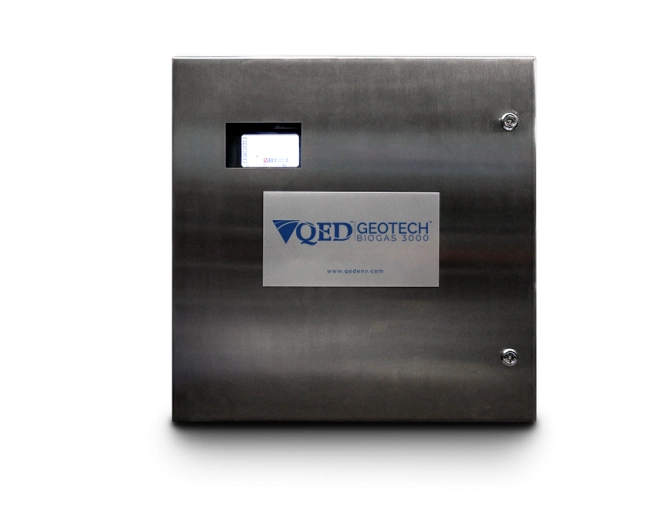
Biomethane 3000
Ref. 3100000000241
Not available
Not available for this country
-
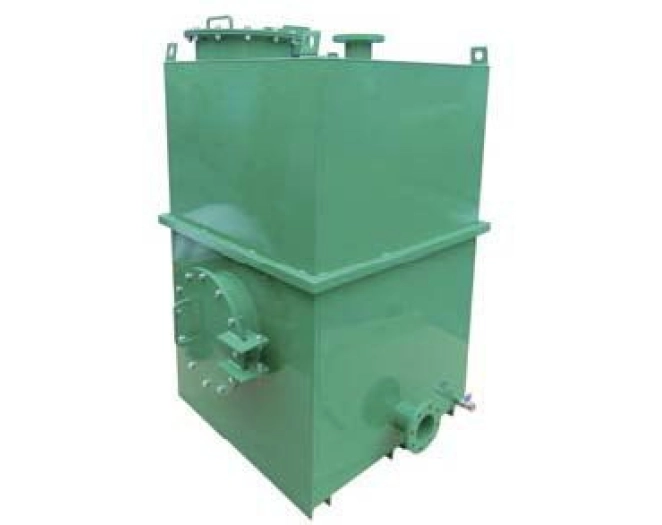
Active carbon air filter
Ref. 8200000000279