





Technological solutions for remediation of contaminated sites.
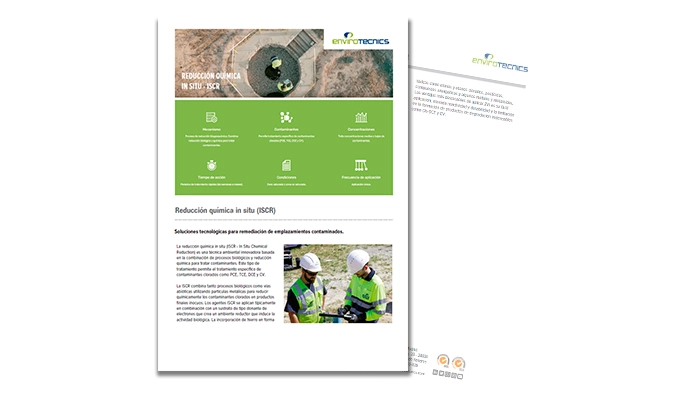
In Situ Chemical Reduction (ISCR) is an innovative environmental technique based on the combination of biological processes and chemical reduction to treat contaminants. This type of treatment allows the specific treatment of chlorinated pollutants such as PCE, TCE, DCE and CV.
ISCR combines both biological processes and abiotic pathways using metallic particles to chemically reduce chlorinated contaminants into safe end products. ISCR agents are typically applied in combination with an electron donor type substrate that creates a reducing environment that induces biological activity. The incorporation of iron in the form of metallic particles or ferrous salts (Fe2 +) can improve the remediation of chlorinated contaminants by allowing various chemical reduction pathways.
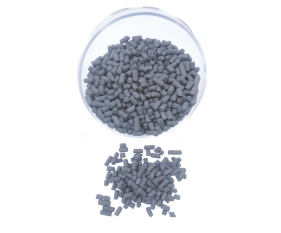
Zero-valent iron (ZVI - Zero-Valent Iron) is the most commonly used ISCR reagent to remedy toxic organohalides such as chlorinated ethenes and ethane, pesticides, energetic compounds, and some metals and metalloids.