Published 11/24/2025
Published 11/24/2025
However, if an off-site treatment is anticipated, these studies do not always answer key questions: What is the actual extent of the contamination? How effective will the decontamination be? What challenges might arise during the process? Factors like permeability, terrain heterogeneity, treatment point locations, or the applied depression strength can significantly impact the results.
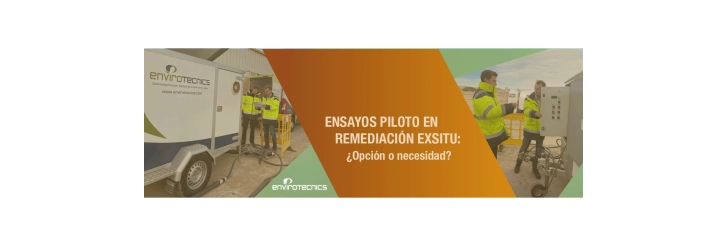
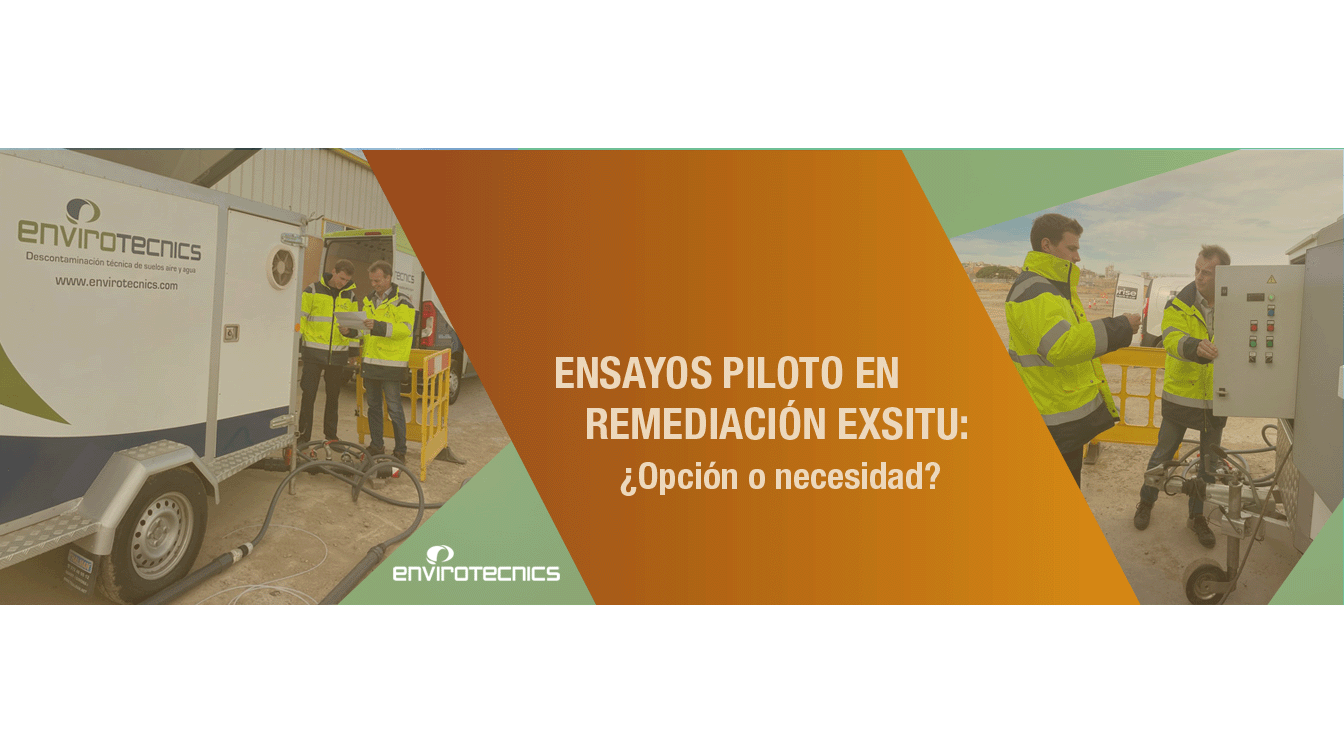
To ensure successful remediation and select the best treatment technique, pilot testing allows for obtaining real data on the process behavior in various configurations. Additionally, they facilitate the evaluation of treatment efficiency and the collection of representative effluent samples.
Our pilot equipment is available in skid, trailers or plug & play format, ready to operate. Additionally, they can be integrated with control instrumentation for the client to analyze key parameters and design an optimal full-scale treatment system.
With real data and field testing, decision-making is more accurate and effective.
So... are pilot tests an option or a necessity?


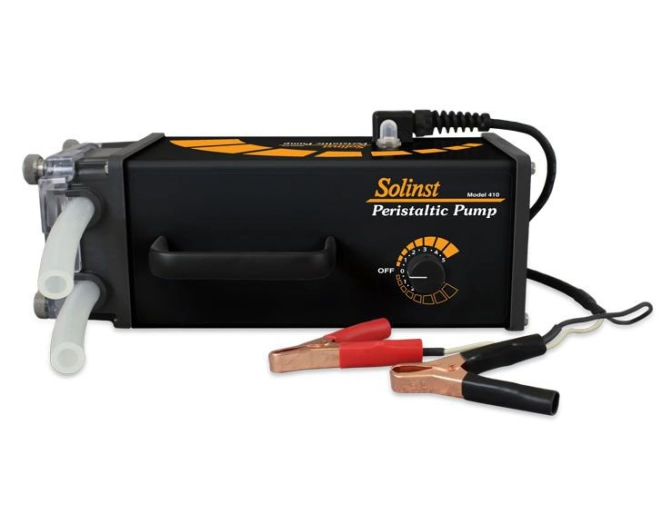
Ref. 2100000000059
Not available
Not available for this country
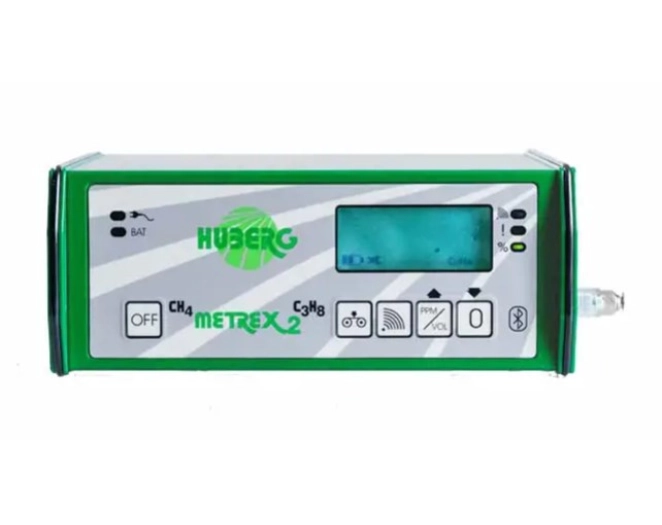
QED METREX 2 Portable CH4 Gas Leak Detector
Ref. 3100000000155
Not available
Not available for this country
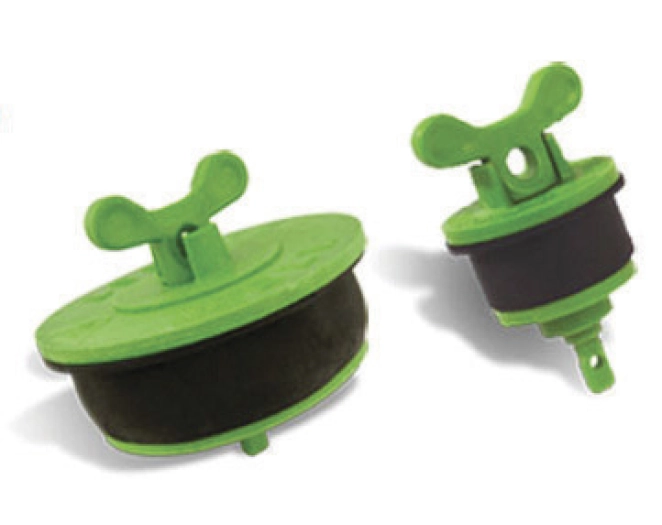
Expandable plug for gas sampling 4"
Ref. 3100000000071
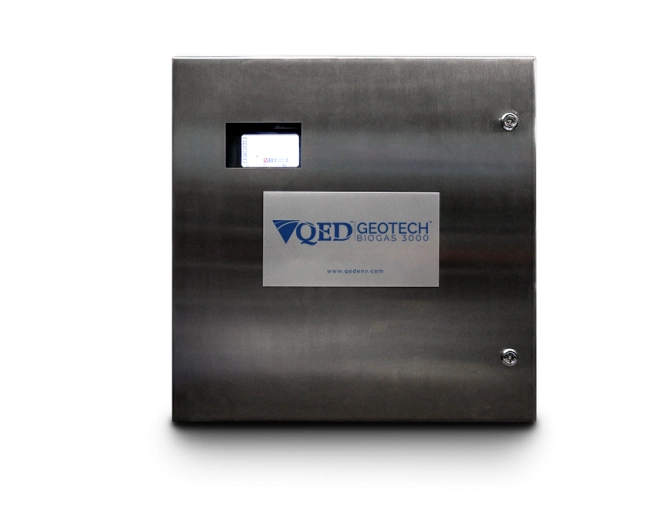
Biomethane 3000
Ref. 3100000000241
Not available
Not available for this country
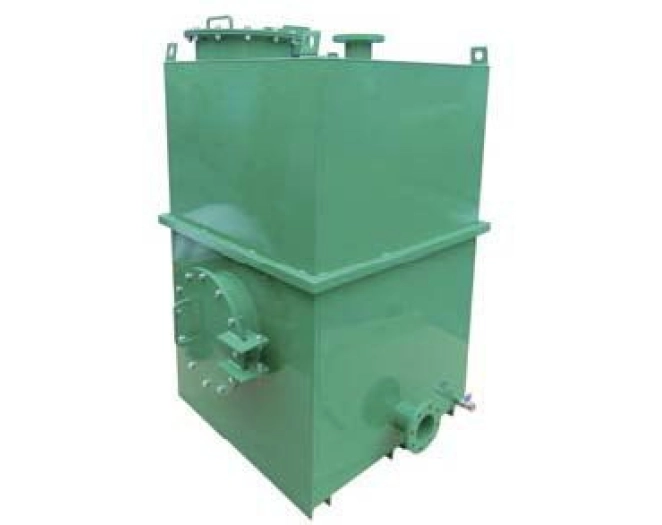
Active carbon air filter
Ref. 8200000000279