
Published 03/09/2026
Published 03/09/2026
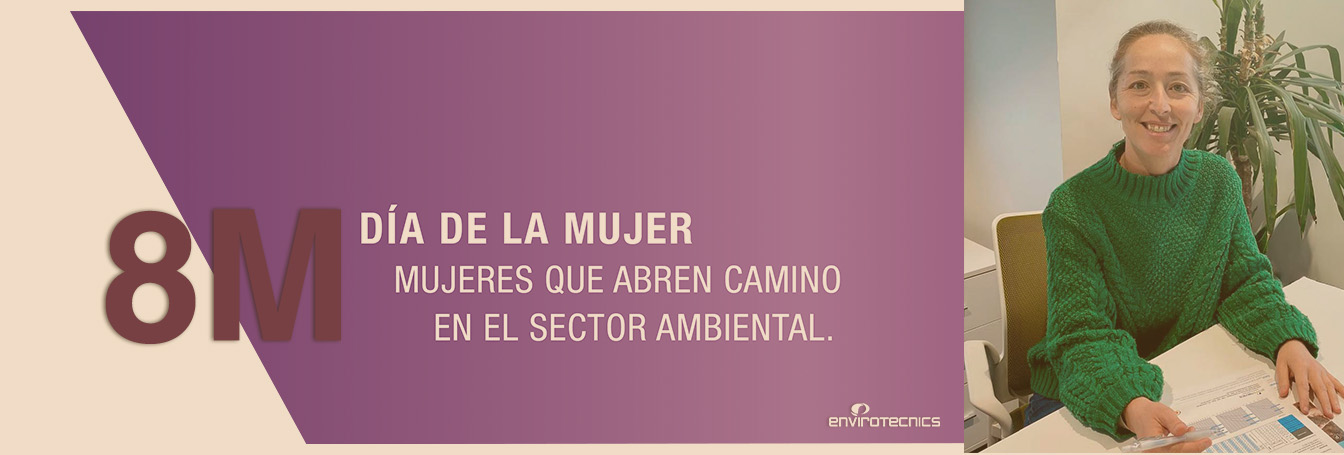
We spoke with Rosa Márquez about her experience in the environmental sector, the technical challenges of remediation, and the role of women in a technical environment.

On the occasion of International Women’s Day, we spoke with Rosa Márquez, Chemical Engineer and Technical Sales Specialist at Envirotecnics, about her professional journey, the evolution of the environmental sector and the technical challenges associated with soil and groundwater remediation projects.
Her experience combines scientific knowledge, applied vision and close collaboration with clients — three key factors in a sector where understanding contaminant behavior and site conditions is essential to defining the most appropriate technical solution.
For me, it means growth and responsibility. My university education gave me a very solid technical foundation, but over time I realized that it is not only about knowing things, but about applying that knowledge with sound judgement.
In our sector, where we work in soil and groundwater remediation, it is not enough to simply know the equipment. You need to understand the entire system. Treating hydrocarbons in free phase is very different from treating dissolved compounds or complex landfill leachates. Each contaminant behaves differently, and that completely determines the strategy.
Being a woman in this historically male environment has meant proving — first to myself and then to others — that technical knowledge and decision-making ability have no gender. We can bring a rigorous, analytical and strategic perspective with complete naturalness.
The ability to interpret data and understand processes from a global perspective.
In the commercial field we are not just selling probes, pumps or multiparameter equipment. We are managing variables that influence environmental, economic and legal decisions.
My background allows me to understand how parameters such as pH, conductivity, dissolved oxygen or volatile organic compounds interact, and to translate that complexity into coherent technical solutions.
Interpreting data and giving it meaning within a technical strategy is what truly brings value to a project.
I see it with optimism. Environmental and technological sectors are evolving very rapidly. The ecological transition and digitalization require technical profiles with strategic vision, and more and more women are prepared to lead these projects.
I believe that in the coming years we will see more female role models in sustainability, environmental monitoring and field data management. This will create a multiplier effect.

Visibility and normalization.
It is important that women are present in industrial environments, field work and complex technical projects. That presence should stop being perceived as something exceptional.
It is also essential for young women to see female role models in technical sectors such as instrumentation or pumping systems, where male presence has traditionally been greater.
I believe the first is technical confidence, understood as something built through study, experience and humility. When you advise on instrumentation — whether level measurement, multiparameter equipment or recovery systems — you are directly influencing important environmental decisions, and that requires rigor.
Another essential skill is the ability to listen. Each remediation project has its own hydrogeological context, historical data and limitations. Before proposing a solution, it is necessary to understand what is actually happening at the site and what the field team needs.
Finally, I would say that judgement and responsibility are crucial. The best solution is not always the most complex or the most expensive. Sometimes the real value lies in adjusting and optimizing existing systems. Over time I have learned that technical advisory work is not about demonstrating how much you know, but about using that knowledge to support others and help them make more informed and sustainable decisions.
Cultural barriers still exist, especially in industrial or field environments. Sometimes the idea persists that certain roles are “male”.
We must not forget the importance of work-life balance. In technical and industrial sectors, where travel and availability are often part of everyday work, it is essential to move toward more flexible models that allow professional development alongside personal and family life.
Facilitating this balance not only supports female talent but also improves the overall sustainability of society. And perhaps most importantly, visible role models are still lacking. When you do not see someone like you leading complex projects, it is harder to imagine yourself there. However, I believe we are making progress. More and more women are demonstrating that competence and leadership depend on talent and preparation, not gender.
It has been a very enriching experience, although not always easy. My early years were more challenging, especially when I did not yet have enough experience to feel confident in what I was doing. During that time I learned a great deal, both technically and personally.
When you demonstrate that you understand the process, the equipment and that your decisions are rigorous, respect comes naturally. Looking back, I value that journey greatly because it helped me grow professionally and strengthened my character. I feel fortunate to have worked with professionals who prioritize knowledge, commitment and quality work above all else.
I would like her to understand that being a technical sales specialist is not simply about selling equipment, but about making important decisions. It involves analyzing data, understanding the project context and providing responsible advice so the client can make the best possible decision.
I would also like her to see that communication is just as important as technical knowledge. We can talk about pumps, instrumentation or complex remediation strategies, but if we cannot translate that information into something clear and understandable, we do not build trust. And trust is the foundation of everything.
Above all, I would like her to learn something more personal: leadership is not about imposing authority, but about knowledge, judgement and coherence. She can occupy any professional space if she prepares herself, works rigorously and trusts her own abilities — even if at first she may feel out of place.
Because we have all been there.
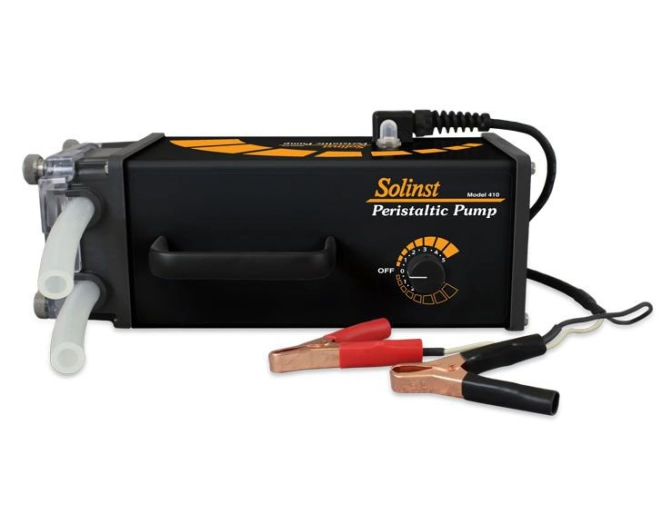
Ref. 2100000000059
Not available
Not available for this country
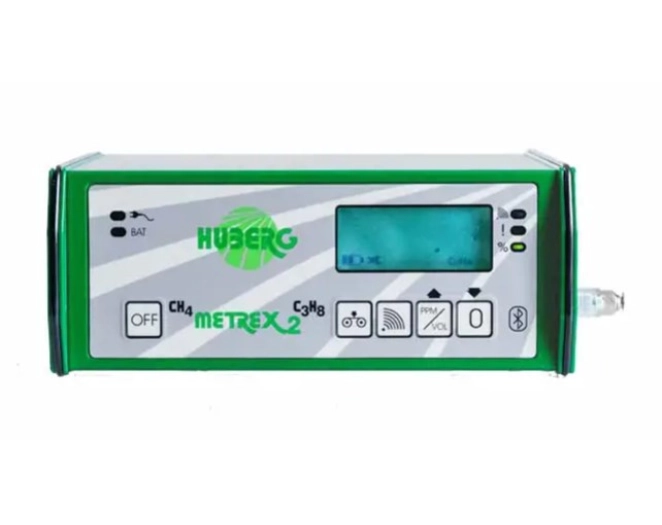
QED METREX 2 Portable CH4 Gas Leak Detector
Ref. 3100000000155
Not available
Not available for this country
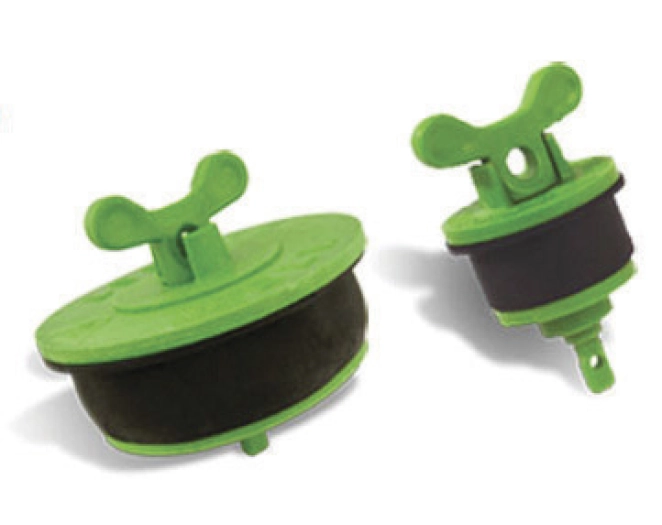
Expandable plug for gas sampling 4"
Ref. 3100000000071
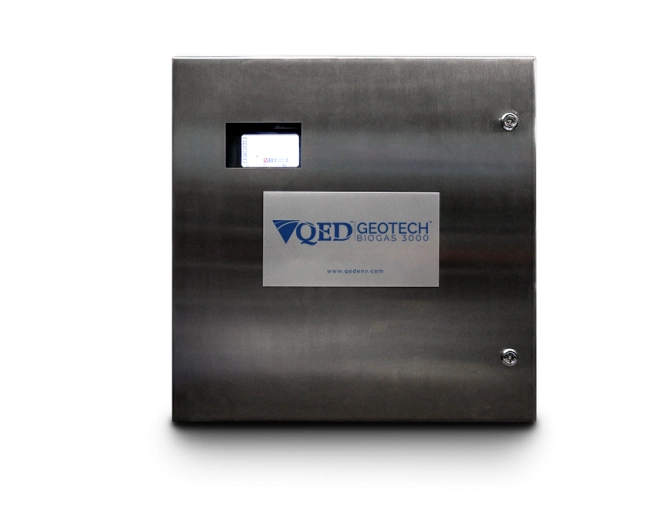
Biomethane 3000
Ref. 3100000000241
Not available
Not available for this country
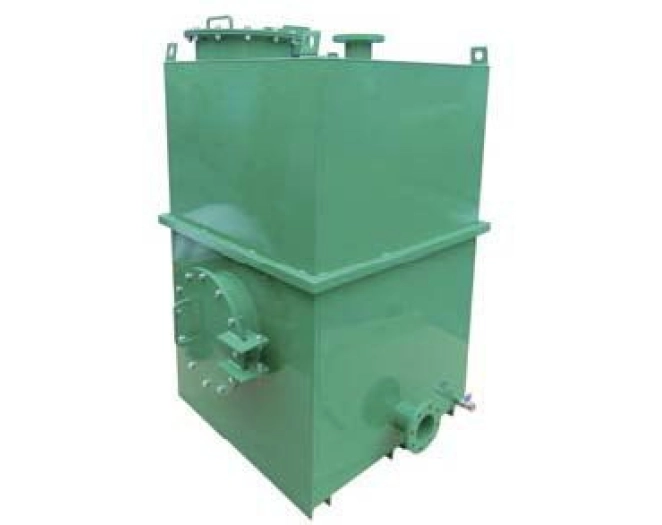
Active carbon air filter
Ref. 8200000000279