
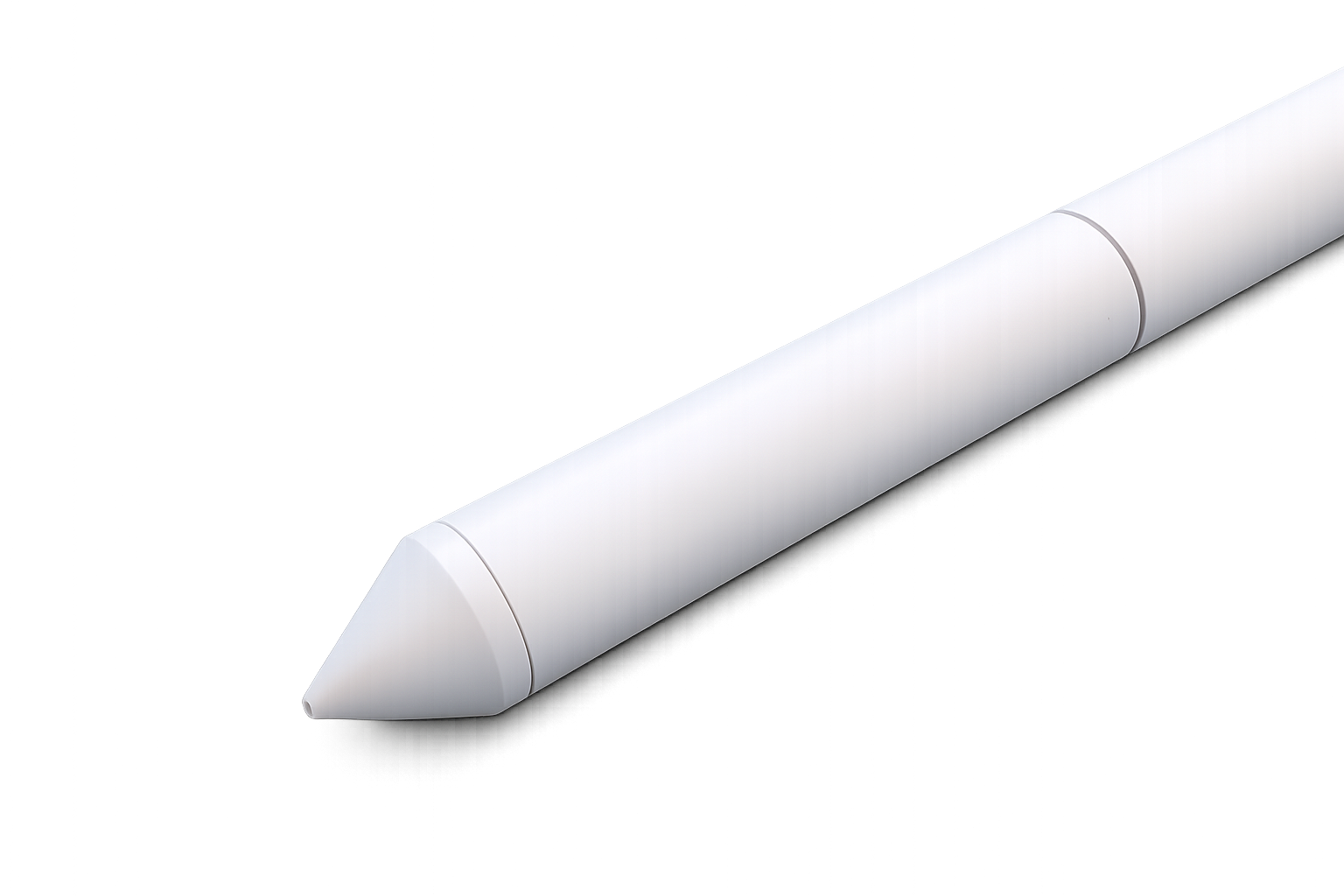
The Petrobailer is a passive skimmer designed for the recovery of light non-aqueous phase liquids (LNAPL) present in monitoring wells and contaminated groundwater. It operates without electricity or pumping systems.
Passive Hydrophobic Skimmer Petrobailer for LNAPL Recovery
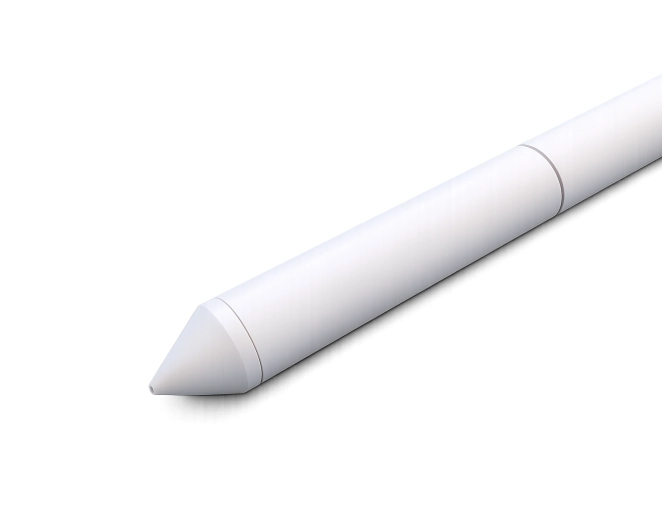
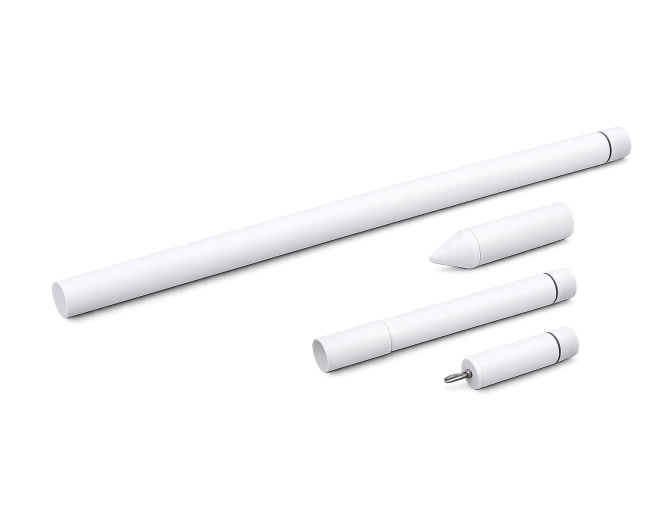
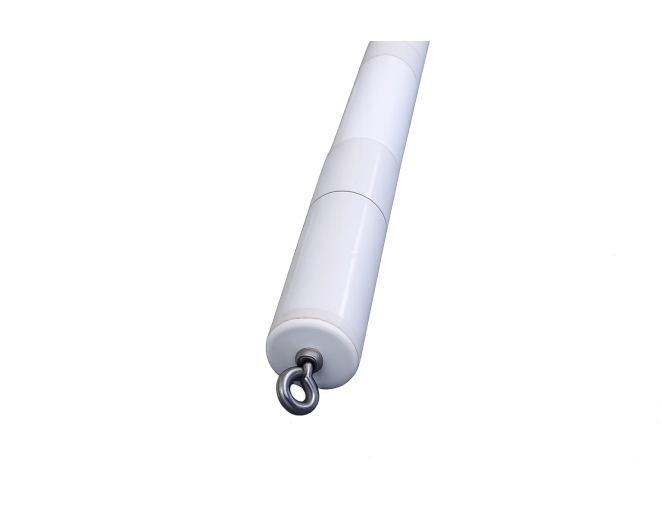

Passive Hydrophobic Skimmer Petrobailer for LNAPL Recovery
Reference:
5200000000062
The Petrobailer Passive Skimmer is a simple and cost-effective solution for the recovery of light non-aqueous phase liquids (LNAPL) present in monitoring wells and contaminated groundwater. Its passive design allows the recovery of gasoline, kerosene and other floating fuels without the need for electrical power, pumping systems or complex maintenance.

Do you have any doubts? Contact us and we'll help you.
Ask for informationPassive Skimmer for Light Hydrocarbon Recovery (LNAPL)
The Petrobailer is a hydrophobic passive skimmer designed for the selective recovery of light non-aqueous phase liquids (LNAPL), such as gasoline and kerosene, present in monitoring wells and contaminated groundwater. Its passive operation requires no external power source, allowing floating contaminants to be recovered simply and efficiently in environmental monitoring and remediation applications.
Manufactured from PVC and polyethylene (PE), the system is suspended by a rope, positioning the hydrophobic filter at the water-hydrocarbon interface to maximize contaminant recovery while minimizing water intake. If groundwater levels fluctuate, the rope length can be easily adjusted to keep the filter in the optimal recovery zone.
The 12" (30 cm) hydrophobic filter can recover up to 984ml of hydrocarbon. Its modular threaded design facilitates installation, emptying and field maintenance.
The Petrobailer is particularly suitable for environmental monitoring programs, LNAPL recovery operations and groundwater remediation projects in remote or difficult-to-access locations where no electrical power supply or pumping system is available.
It is not designed for the recovery of heavy or long-chain hydrocarbons such as heavy diesel fuel, heavy crude oil or weathered oils.
- Passive system, no external energy required
- Selective capture of floating hydrocarbons (LNAPL)
- Minimizes water uptake
- Materials resistant to chemicals and corrosion
- Robust and user-friendly design
- Suitable for environmental and industrial applications
- Recovery of free-phase products (LNAPL) in monitoring wells
- Groundwater remediation
- Spill and hydrocarbon contamination control
- On-site environmental monitoring
- Industrial and environmental remediation projects
The Petrobailer is installed suspended at the water-hydrocarbon interface, where its hydrophobic filter selectively captures floating light hydrocarbons and minimizes water ingress.
The installation of the Petrobailer skimmers is straightforward and is completed in a few steps as described below: First, measure and record the level of the phase and its thickness in the well. Tie a suspension rope of the necessary length to the ring at the top of the Petrobailer until it is centered in the well. Slowly lower the Petrobailer into the well. After a few minutes of immersion, the separation will occur easily. The hydrophobic membrane can be slightly submerged to prevent water from entering the reserve tube. However, it is recommended not to submerge it to avoid water penetration in the storage tank. Finally, periodically remove the Petrobailer from the well, unscrew the top and empty the contents into a suitable container. After each emptying, re-measure the free phase to reinstall the skimmer.
-
What is a Petrobailer?
-
What is an LNAPL?
LNAPL (Light Non-Aqueous Phase Liquid) refers to light liquids that do not dissolve in water and float on the water table. Common examples include gasoline, kerosene and other light fuels.
-
What hydrocarbons can the Petrobailer recover?
The Petrobailer is designed to recover floating light hydrocarbons such as gasoline, kerosene and similar fuels present as free product on groundwater.
-
Can a passive skimmer recover diesel?
A passive skimmer like the petrobailer is not recommended for heavy or high viscosity hydrocarbons, such as heavy diesel, heavy crude oil, or degraded oils.
-
Do passive skimmers need electrical power?
The passive skimmer operates entirely passively and does not require electricity, compressed air, or pumping systems.
-
How does the hydrophobic filter work?
The hydrophobic filter is designed to selectively capture light hydrocarbons while minimizing water intake, allowing efficient recovery of the contaminant.
-
What is the recovery capacity of passive skimmers?
The passive skimmer has a recovery capacity of up to 984ml of hydrocarbon per extraction cycle.
-
What well diameter can it be installed in?
The Petrobailer can be installed in monitoring wells of 2 inches or larger.
-
Can it be used in environmental monitoring wells?
Yes. Passive skimmers are a widely used solution in environmental monitoring programs, contaminated site investigations, and groundwater remediation projects.
-
What maintenance does a passive skimmer require?
Maintenance is minimal. Simply periodically remove the equipment, empty the recovered hydrocarbon, and check the status of the filter and components.
-
Is the Petrobailer passive skimmer suitable for remote locations?
Yes. Since it does not require electric power or auxiliary systems, the Petrobailer passive skimmer is particularly suitable for remote or hard-to-reach locations.
-
What advantages does a passive skimmer offer compared to an automatic skimmer?
The Petrobailer offers a simple and economical cost-effective solution for LNAPL recovery, with quick installation, low maintenance, and no energy consumption.
- Does not require electrical power or pumping systems.
- Selective recovery of light hydrocarbons (LNAPL).
- Minimizes water ingress through a hydrophobic filter.
- Ideal for monitoring wells and remote locations.
- Low maintenance and easy field operation.
- Reduces operational costs in environmental remediation projects.
-
Ref. 2100000000059
Not available
Not available for this country
-
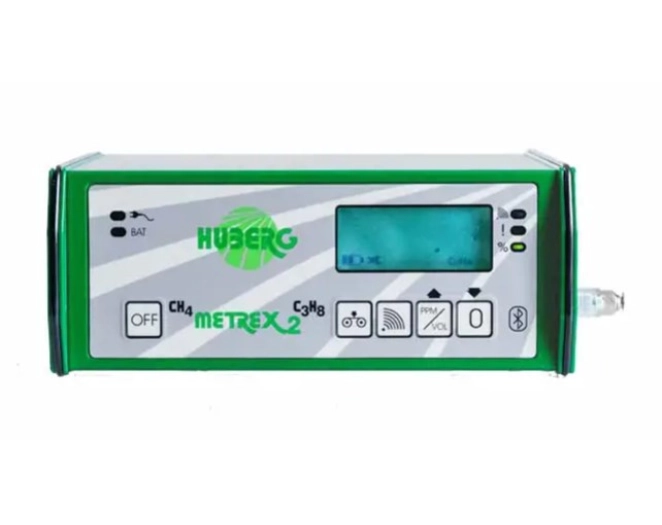
QED METREX 2 Portable CH4 Gas Leak Detector
Ref. 3100000000155
Not available
Not available for this country
-
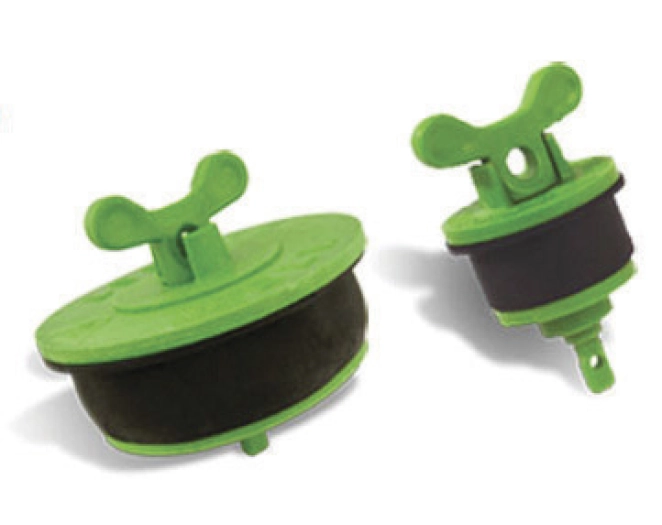
Expandable plug for gas sampling 4"
Ref. 3100000000071
-
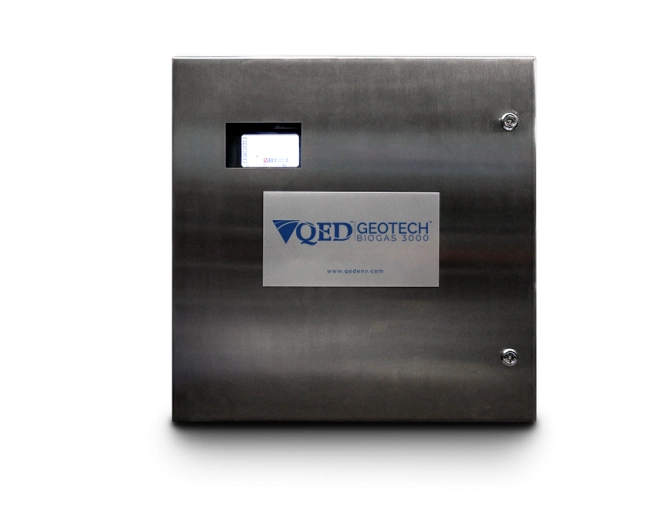
Biomethane 3000
Ref. 3100000000241
Not available
Not available for this country
-
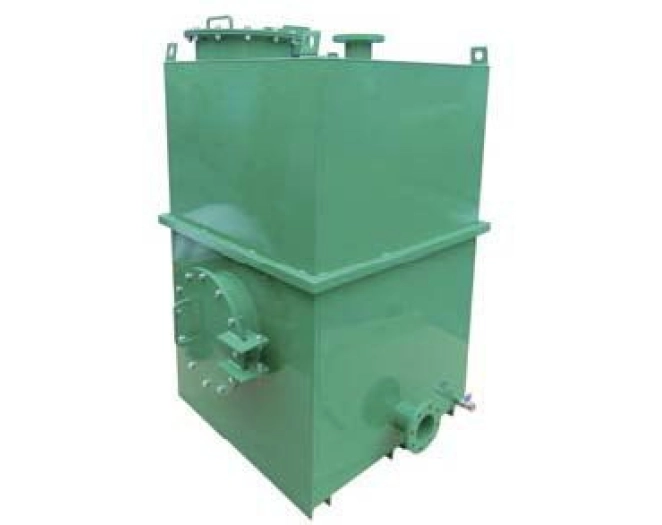
Active carbon air filter
Ref. 8200000000279