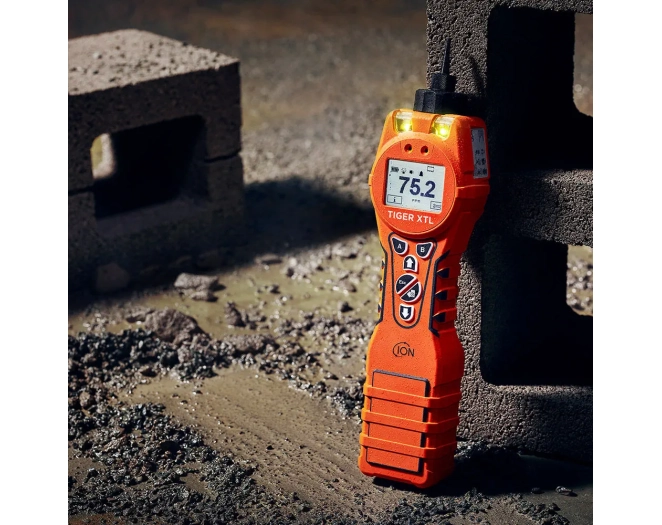
The main difference between the Tiger XTL and the Tiger XT is the detection range and sensitivity. The Tiger XT detects from 1 ppb to 20,000 ppm, while the Tiger XTL works from 0.1 ppm to 5,000 ppm. The XT is geared towards trace detection; the XTL is for standard industrial applications in ppm.
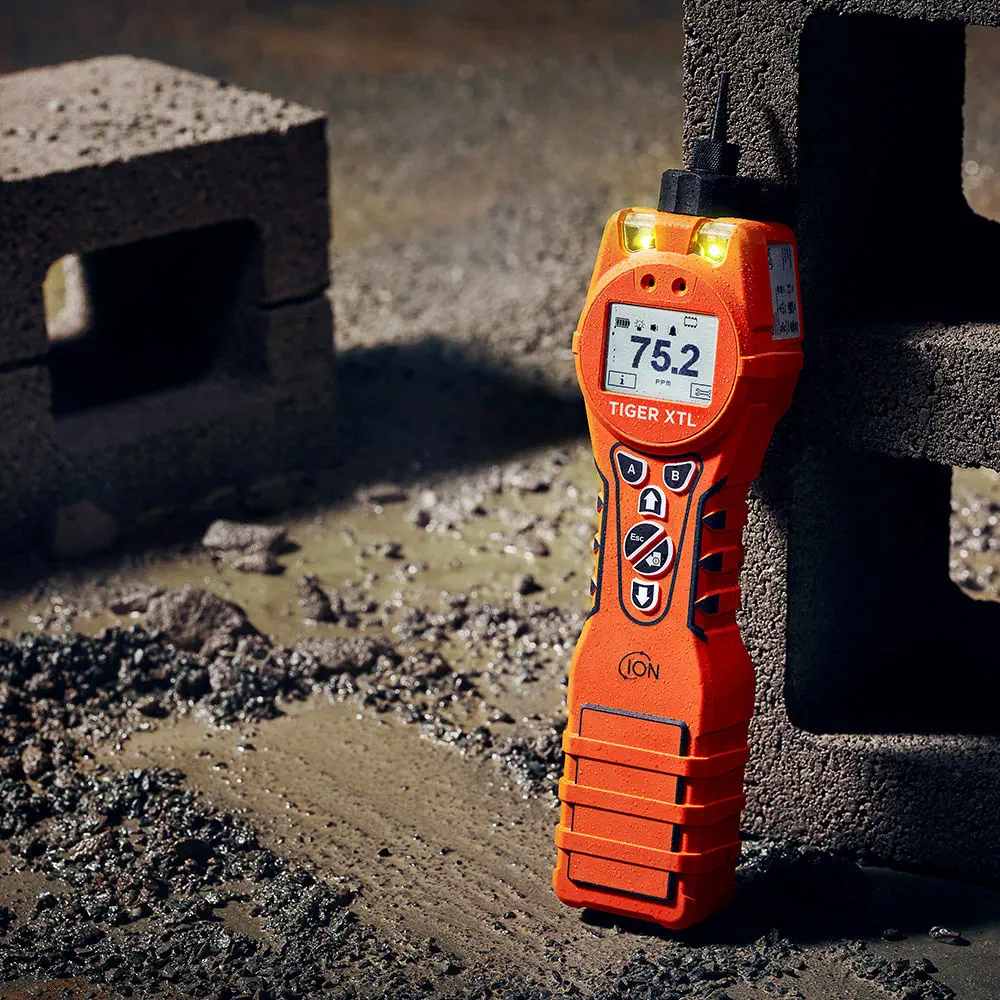
Additionally, another feature of the Pid XTL is that it does not allow lamps greater than 10.6 eV. and has a lifespan of 2 to 3 years.
The 11.7 eV lamp for Pid XT is geared towards compounds with a high ionization potential, such as Formaldehyde, methanol, acrylonitrile, among others, and is very sensitive to humidity: its lifespan is 1 to 6 months.
The lamps for Pid XT and XTL are mainly used for the detection and measurement of VOCs (volatile organic compounds).
The Pid XTL does not allow lamps greater than 10.6 eV. and has a lifespan of 2 to 3 years.
The 11.7 eV lamp for Pid XT is geared towards compounds with a high ionization potential, such as Formaldehyde, methanol, acrylonitrile, among others.
The 11.7 eV lamp for Pid XT is very sensitive to humidity and its lifespan is 1 to 6 months.
The lamps for Pid XT and XTL are mainly used for the detection and measurement of VOCs (volatile organic compounds).
Additionally, another feature of the Pid XTL is that it does not allow lamps greater than 10.6 eV. and has a lifespan of 2 to 3 years.
The 11.7 eV lamp for Pid XT is geared towards compounds with a high ionization potential, such as Formaldehyde, methanol, acrylonitrile, among others.
The 11.7 eV lamp for Pid XT is very sensitive to humidity and its lifespan is 1 to 6 months.
The lamps for Pid XT and XTL are mainly used for the detection and measurement of VOCs (volatile organic compounds).