
AP5000 Chlorophyll Optical Electrode
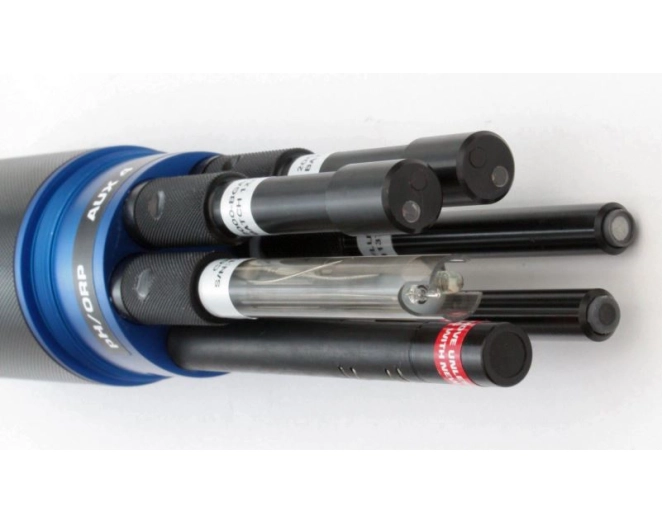
AP5000 Chlorophyll Optical Electrode
Reference:
2200000000230
The optical chlorophyll electrode for AP-5000 is a specialized sensor that is incorporated into multiparameter probes to measure the presence of chlorophyll through fluorescence in water bodies, providing key data on plant biomass and the ecological quality of the water.
Do you have any doubts? Contact us and we'll help you.
Ask for informationThe optical chlorophyll electrode is a sensor designed to be inserted into one of the auxiliary inputs of the AP-5000 multiparameter probe, adding the capability to measure chlorophyll concentrations in water. Chlorophyll is a crucial indicator of phytoplankton content and the biological productivity of a body of water, making it an essential parameter in environmental, ecological, and eutrophication studies. The sensor operates using fluorescence-based optical technology, where a specific light source excites chlorophyll molecules and a detector measures the emitted light, allowing for a proportional indication of the concentration present.
- Chlorophyll measurement by fluorescence: Detects and quantifies the presence of chlorophyll in water based on its fluorescent emission when optically excited.
- Wide measurement range: Designed to cover from low levels to typical concentrations of chlorophyll in natural environments (e.g., up to ~500 µg/L).
- Integrable in AP-5000 system: Easily connects to one of the auxiliary ports of the multiparametric probe, without needing to adapt the main electronics.
- Direct optical reading: The fluorescence technique reduces physical interferences and allows stable and sensitive readings.
- Water-resistant construction: Compatible with continuous immersion conditions typical of environmental measurements in rivers, lakes, and coastal waters when combined with the main probe.
- Environmental monitoring of chlorophyll in natural waters, assessing the presence and abundance of phytoplankton.
- Tracking eutrophication and ecological quality in lakes, rivers, and reservoirs.
- Studies of algae dynamics and biogeochemical cycles in aquatic systems.
- Control in treatment plants and industrial processes where chlorophyll is an indicator of biological proliferation.
- Scientific research projects related to aquatic ecology, hydrology, and water resource management.
- Installation: The sensor is attached to one of the auxiliary ports of the AP-5000 multiparameter probe.
- Configuration: The device recognizes the optical sensor upon startup and adjusts the reading parameters for chlorophyll.
- Fluorescence Excitation: When the probe is in the water, a diode emits light at a specific wavelength that excites the chlorophyll molecules.
- Fluorescence Capture: The light emitted by the chlorophyll is detected and transformed into an electrical signal proportional to its concentration.
- Data Output: The values are displayed on the connected reading device or logger, integrating with other simultaneously measured parameters.
- Representative phytoplankton measurements: Enables quantification of plant biomass (chlorophyll) without the need for labor-intensive laboratory methods.
- High sensitivity: Detects variations in chlorophyll concentrations with fine resolution, useful for ecological studies and monitoring of eutrophication.
- Rapid sensor change: Compatible with modular systems, facilitating replacement or upgrade without specialized tools.
- Integration with multiparametric data: When used with the AP‑5000, chlorophyll can be analyzed alongside other parameters such as pH, conductivity, or dissolved oxygen for more comprehensive diagnostics.
- Applicable in field and laboratory: Useful for both field campaigns and data validation in the laboratory.
-
Ref. 2100000000059
Not available
Not available for this country
-
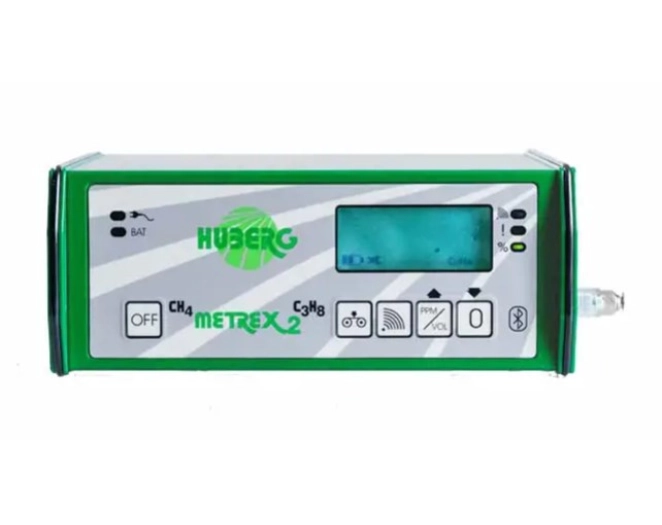
QED METREX 2 Portable CH4 Gas Leak Detector
Ref. 3100000000155
Not available
Not available for this country
-
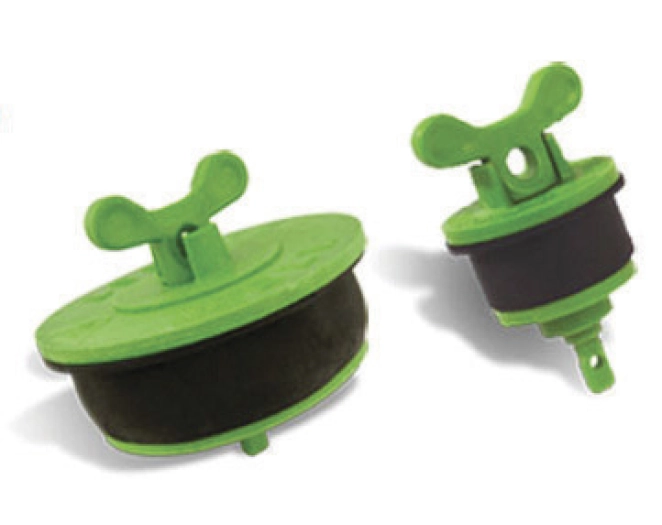
Expandable plug for gas sampling 4"
Ref. 3100000000071
-
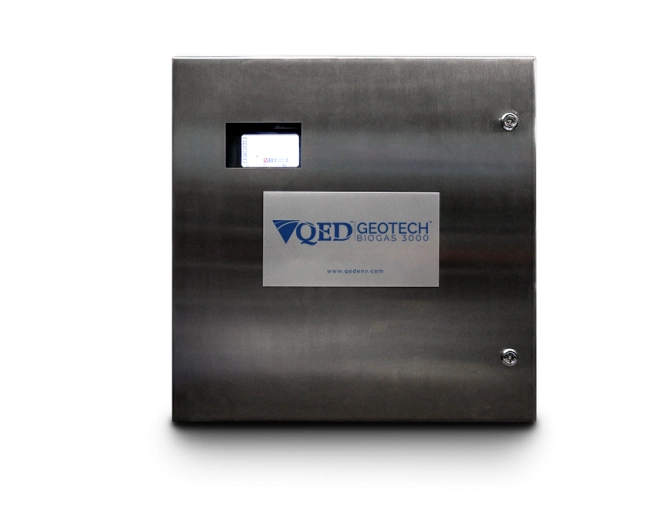
Biomethane 3000
Ref. 3100000000241
Not available
Not available for this country
-
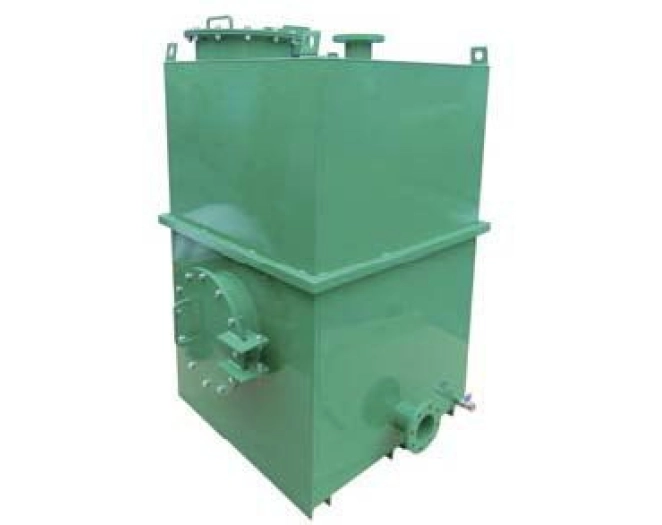
Active carbon air filter
Ref. 8200000000279